
The Short Answer: Verify Before You Sign Anything
When water is pouring through your ceiling or sewage is backing up into your laundry room, the pressure to hire the first company that answers the phone is real. That urgency is exactly what separates good restoration contractors from bad ones. Before you hand over your home or your insurance claim, check three things: licensure and insurance, certifications, and a clear written scope of work. Everything else in this post is detail that helps you do those three things without getting taken advantage of.
Why Restoration Hiring Goes Wrong in the First Place
Most homeowners hire a restoration company once in their lives, during one of the worst weeks they’ve had. That information gap is where problems start.
After a major storm or a burst pipe, some contractors follow the damage. They knock on doors, offer fast starts, and pressure you to sign an Assignment of Benefits form before your own adjuster has seen the property. In Texas, that form transfers your insurance claim rights to the contractor. Once signed, you lose direct control over what gets approved and paid.
Other problems are less dramatic but just as costly. A company might start drying equipment, run it for a week, and then hand you a bill your insurer won’t fully cover because the work wasn’t documented to industry standards. Or a crew removes wet drywall but leaves saturated framing behind because they’re moving on to the next job.
None of this means every contractor is predatory. It means you need a short checklist before anyone starts work.
What to Check Before You Hire
1. Confirm they carry general liability and workers’ compensation insurance. Ask for a certificate of insurance, not just a verbal confirmation. If a worker is injured on your property and the company isn’t covered, your homeowner’s policy may be on the hook.
2. Look for IICRC certification. The Institute of Inspection, Cleaning and Restoration Certification sets the technical standards most insurers expect. The S500 standard governs water damage drying; the S520 governs mold. A company following these standards uses moisture mapping, documents readings daily, and doesn’t call a job dry because the surface feels dry. Ask directly: do your technicians hold IICRC credentials?
3. Get a written scope before work begins. This document should list what materials will be removed, what equipment will be placed, how long drying is expected to take, and how the work will be documented for your insurer. If a contractor is reluctant to put this in writing, that reluctance is your answer.
4. Understand what they do and don’t handle. Restoration is not one trade. Water damage cleanup, mold remediation, fire and smoke restoration, and reconstruction are often separate specialties. A company that does everything may do some things well and others poorly. Ask specifically: what is your core service? A contractor who is honest about their lane is usually more trustworthy than one who claims to do it all.
5. Check their reviews for process detail, not just star ratings. A five-star review that says “great job” tells you nothing. Look for reviews that describe how the company communicated with the insurance adjuster, whether equipment was picked up on time, and whether the final bill matched the estimate.
Red Flags That Should Make You Pause
- They ask you to sign paperwork before explaining what the paperwork does.
- They can’t name the drying standard they follow or the equipment they use.
- They quote a flat price for water damage without doing a moisture assessment first. Water damage pricing depends on affected square footage, material types, and saturation depth. No honest contractor quotes it blind.
- They guarantee mold won’t return. No one can guarantee that. Mold is a function of moisture. Control the moisture and you control the risk, but a guarantee of zero future mold growth is a sales line, not a technical promise.
- They push you to delay contacting your insurance company or suggest they’ll “handle the adjuster” without explaining what that means.
What to Ask Your Insurance Company First
Before you call any contractor, spend ten minutes on the phone with your insurer. Ask:
- Is this loss covered under my policy?
- Do I need to use a contractor from your preferred vendor list, or can I choose my own?
- What documentation do you need from the contractor to process my claim?
- Will you send an adjuster before work starts, or do you want mitigation to begin immediately?
In Midland, where summer thunderstorms can push water through flat roofs and older slab foundations can shift enough to crack supply lines, insurers sometimes want an adjuster on-site before demo begins. Other times, especially with active water intrusion, they want mitigation started within 24 to 48 hours to prevent secondary damage. Knowing which situation you’re in before a contractor arrives saves arguments later.
A Note on Fire, Mold, and Reconstruction
This post covers restoration broadly, but these are genuinely different categories of work.
Fire and smoke damage involves odor neutralization, soot chemistry, and HVAC decontamination that water damage crews aren’t always trained for. Mold remediation requires containment protocols, air scrubbing, and in many cases EPA-registered biocides applied by trained technicians. Reconstruction, meaning the rebuild after demo, is a general contracting function entirely separate from mitigation.
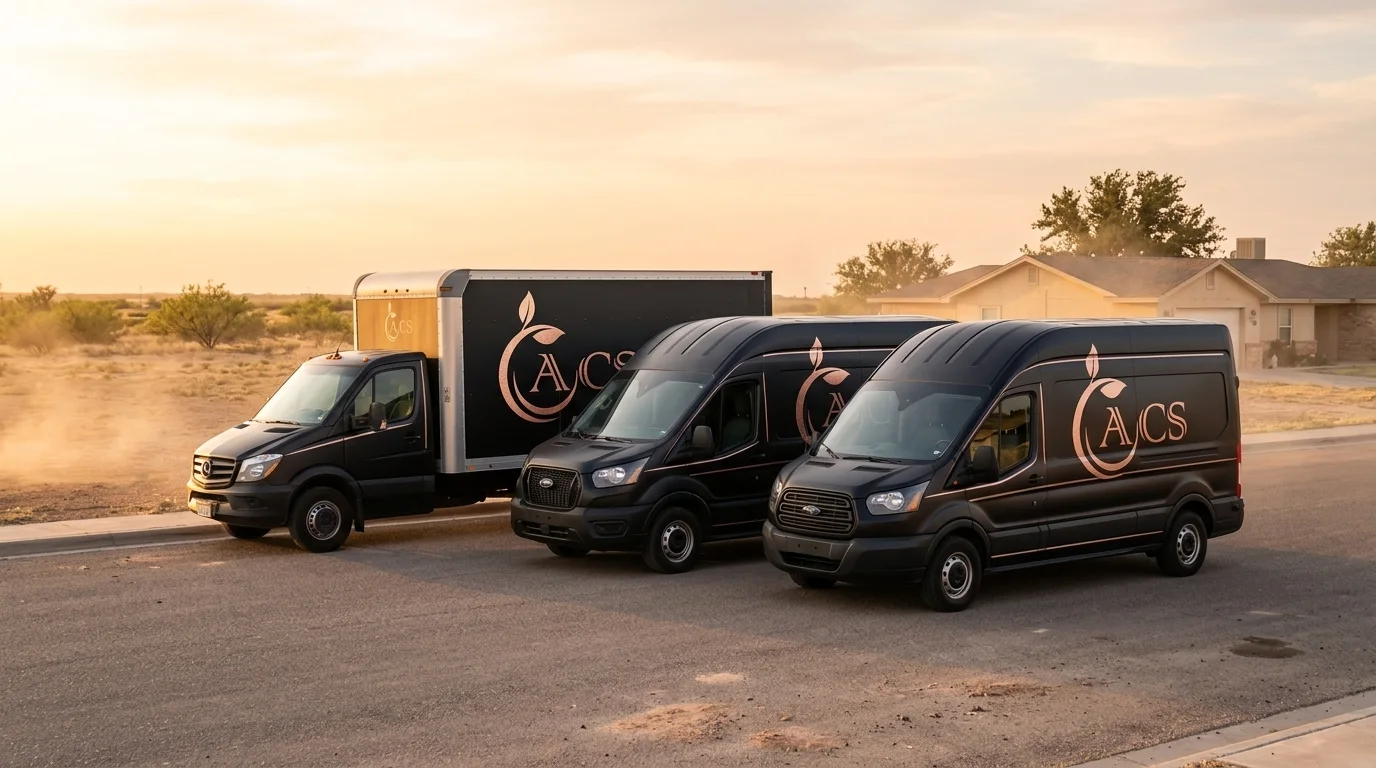
If you’re dealing with water damage, ACS Enterprise handles the cleanup and drying side. For mold work or fire restoration, they’ll point you to the right specialist rather than take on work outside their scope. That kind of honesty about scope is itself a green flag when you’re evaluating any contractor.
The Longer Recovery: What Happens After Mitigation
Mitigation stops the damage from getting worse. It does not restore your home to its pre-loss condition. After the drying equipment comes out and the wet materials are removed, you’re typically looking at a separate rebuild phase: replacing drywall, repainting, reinstalling flooring, and addressing any structural issues the water exposed.
Plan for this to take longer than the mitigation phase. Permits may be required depending on the scope of work. In Midland, the city’s building department issues permits for structural repairs, and some insurers require permitted work before they’ll close a claim. Ask your contractor and your adjuster about permit requirements before the rebuild begins, not after.
Keep copies of every moisture reading log, every invoice, and every photo the mitigation company provides. If your claim is disputed or if you sell the property in the future, that documentation is your evidence that the work was done correctly.
If You’re Ready to Talk to Someone
If you’re in the Midland area and dealing with water damage or a sewage backup, ACS Enterprise is a straightforward call: (432) 847-4704. They handle the water damage and cleanup side, document the work for your insurer, and won’t oversell you on services outside their specialty. If the situation involves mold or fire damage, they’ll tell you that directly and help point you toward the right resource.